Medications for Back Pain
A comprehensive, evidence-based overview of medications used to manage back pain - from over-the-counter options to prescription treatments. Understand how each works, who it's best for, and important safety considerations.
This guide is for educational purposes only. Always consult your physician or pharmacist before starting, stopping, or changing any medication.
Start Conservative
Begin with OTC options (acetaminophen or NSAIDs) before escalating to prescription medications
Short-Term for Most
Most medications work best for acute pain. Chronic use carries greater risk of side effects and dependence
Combine with Therapy
Medications are most effective when combined with physical therapy and active rehabilitation
Over-the-Counter Analgesics
First-LineAvailable without a prescription; appropriate starting point for most acute back pain.
Acetaminophen (Tylenol)
325–1000 mg every 4–6 hours; max 4g/dayHow It Works
Reduces pain perception centrally without anti-inflammatory effects. Safer for stomach than NSAIDs.
Best For
Mild to moderate back pain, patients who can't tolerate NSAIDs, older adults
Side Effects
Liver toxicity at high doses or with alcohol use. Generally very well tolerated at recommended doses.
Cautions
Avoid in liver disease. Hidden acetaminophen in combination products (cold medicines) can cause accidental overdose.
Ibuprofen (Advil, Motrin)
200–400 mg every 4–6 hours with food; max 1200 mg/day OTCHow It Works
NSAID that inhibits COX-1 and COX-2 enzymes, reducing prostaglandin production and inflammation.
Best For
Inflammatory back pain, disc-related pain, muscle strains with inflammation
Side Effects
GI irritation, ulcers with prolonged use, cardiovascular risk, kidney effects. Take with food.
Cautions
Avoid with kidney disease, GI ulcer history, blood thinners, or heart failure.
Naproxen Sodium (Aleve)
220–440 mg every 8–12 hours; max 660 mg/day OTCHow It Works
Longer-acting NSAID allowing twice-daily dosing. Similar mechanism to ibuprofen.
Best For
When longer dosing intervals are preferred; chronic inflammatory pain
Side Effects
Similar to ibuprofen but less frequent due to longer dosing interval.
Cautions
Same precautions as ibuprofen. Not for use >10 days without physician guidance.
Prescription NSAIDs
Prescription RequiredHigher doses and COX-2 selective options offering better GI safety or stronger anti-inflammatory effects.
Celecoxib (Celebrex)
100–200 mg once or twice dailyHow It Works
Selective COX-2 inhibitor. Reduces inflammation with significantly lower risk of GI ulcers than non-selective NSAIDs.
Best For
Patients with GI sensitivity who need NSAID anti-inflammatory effects; arthritis-related back pain
Side Effects
Cardiovascular risk (slightly elevated); edema; renal effects. Better GI tolerability than non-selective NSAIDs.
Cautions
Avoid in sulfonamide allergy, serious cardiovascular disease, or advanced kidney disease.
Meloxicam (Mobic)
7.5–15 mg once dailyHow It Works
Preferentially inhibits COX-2 with some COX-1 activity. Once-daily dosing improves adherence.
Best For
Osteoarthritis-related back pain, inflammatory conditions
Side Effects
Similar to other NSAIDs; once-daily dosing reduces peak concentration effects.
Cautions
Standard NSAID precautions apply.
Muscle Relaxants
Prescription RequiredUsed for acute muscle spasm relief; intended for short-term use (2–3 weeks) due to sedation and dependence risk.
Cyclobenzaprine (Flexeril)
5–10 mg three times daily; max 30 mg/dayHow It Works
Acts centrally to reduce muscle hyperactivity. Structurally similar to tricyclic antidepressants.
Best For
Acute muscle spasm accompanying lower back pain
Side Effects
Sedation, dry mouth, dizziness, urinary retention. Do not drive. Risk of addiction.
Cautions
Not for use in older adults (Beers criteria). Avoid with MAOIs or serotonergic drugs.
Methocarbamol (Robaxin)
750–1500 mg four times daily initiallyHow It Works
Central muscle relaxant with less sedation than cyclobenzaprine.
Best For
Patients who need less sedating muscle relaxant option
Side Effects
Dizziness, drowsiness, nausea. Less sedating than other muscle relaxants.
Cautions
Caution with renal impairment. Use lowest effective dose.
Tizanidine (Zanaflex)
4 mg every 6–8 hours; max 36 mg/dayHow It Works
Alpha-2 adrenergic agonist that reduces spasticity at spinal level.
Best For
Spasticity-related back pain; often preferred for its relatively lower abuse potential
Side Effects
Sedation, hypotension, dry mouth, liver toxicity at high doses.
Cautions
Monitor liver enzymes with long-term use. Avoid abrupt discontinuation.
Neuropathic Pain Medications
Prescription RequiredTargets nerve pain (radiculopathy, sciatica) by modulating pain signal transmission in the nervous system.
Gabapentin (Neurontin)
300–1200 mg three times daily; titrate slowlyHow It Works
Binds to voltage-gated calcium channels, reducing release of excitatory neurotransmitters in pain pathways.
Best For
Radicular pain (sciatica, cervical radiculopathy), neuropathic back pain
Side Effects
Sedation, dizziness, cognitive dulling, peripheral edema, weight gain.
Cautions
Dose-adjust in renal impairment. Do not stop abruptly. Risk of misuse.
Pregabalin (Lyrica)
75–150 mg twice daily; max 300–600 mg/dayHow It Works
More potent and predictable absorption than gabapentin; same mechanism of action.
Best For
Neuropathic back pain, fibromyalgia, radiculopathy
Side Effects
Sedation, dizziness, weight gain, edema. Schedule V controlled substance.
Cautions
Renal dose adjustment required. Abuse potential.
Duloxetine (Cymbalta)
30 mg daily for 1 week, then 60 mg dailyHow It Works
SNRI antidepressant that inhibits reuptake of serotonin and norepinephrine; has FDA approval for chronic musculoskeletal pain.
Best For
Chronic lower back pain, osteoarthritis pain, fibromyalgia with mood component
Side Effects
Nausea (especially when starting), insomnia, dry mouth, sexual dysfunction.
Cautions
Do not stop abruptly (discontinuation syndrome). Avoid with MAOIs.
Topical Medications
OTC & PrescriptionApplied directly to the painful area; lower systemic side effects compared to oral medications.
Diclofenac Gel (Voltaren, RX: Solaraze)
Apply 2–4g to affected area 3–4 times dailyHow It Works
Topical NSAID penetrating skin to deliver anti-inflammatory effects locally with minimal systemic absorption.
Best For
Localized musculoskeletal back pain, facet arthritis
Side Effects
Local skin irritation. Very low systemic NSAID side effects.
Cautions
Avoid on broken or irritated skin. Same drug interactions as oral NSAIDs, but lower risk.
Lidocaine Patches (Lidoderm)
Up to 3 patches applied for 12 hours on, 12 hours offHow It Works
Local anesthetic blocking sodium channels in peripheral nerves to reduce pain signal transmission.
Best For
Localized back pain, post-herpetic neuralgia affecting back, myofascial pain
Side Effects
Skin reactions at patch site. Minimal systemic absorption.
Cautions
Do not cut patches. Keep away from heat sources.
Capsaicin Cream (8% Patch: Qutenza)
OTC 0.025–0.1%: apply 3–4x daily; Rx 8% patch: applied by clinicianHow It Works
Depletes substance P, a key pain neurotransmitter, from peripheral nerve endings.
Best For
Neuropathic back pain, localized chronic pain
Side Effects
Burning sensation on application (especially 8% patch). Wears off with repeated use.
Cautions
Avoid contact with eyes. Wear gloves when applying.
Important Safety Reminders
- Never exceed recommended doses without physician guidance
- Opioids are generally not recommended for chronic back pain
- Inform your doctor of all supplements and OTC medications
- Avoid alcohol with muscle relaxants and neuropathic agents
- Never stop prescription medications abruptly without guidance
- Seek emergency care for allergic reactions or severe side effects
Conditions Treated
Most Relevant For These Conditions
Medications play a role in managing most back pain conditions. They are most impactful for:
Watch Related Videos
Expert-led educational videos covering this condition and its treatments.

exercises stretches
How to Relieve Lower Back Pain: Complete Guide
Learn evidence-based techniques to relieve lower back pain, including stretches, exercises, and lifestyle modifications that provide lasting relief.
symptoms diagnosis
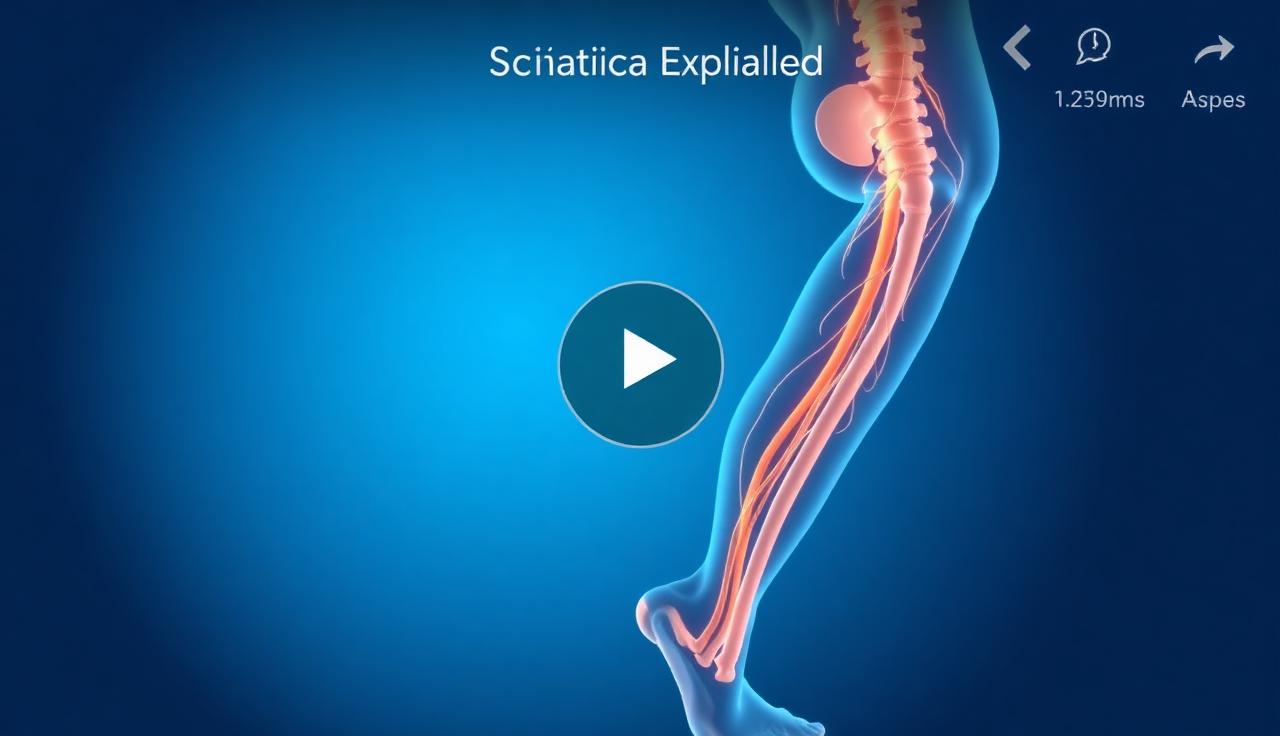
Sciatica Explained: Causes, Symptoms, and Treatment Options
Comprehensive explanation of sciatica, including what causes it, how to recognize symptoms, and evidence-based treatment approaches.
symptoms diagnosis
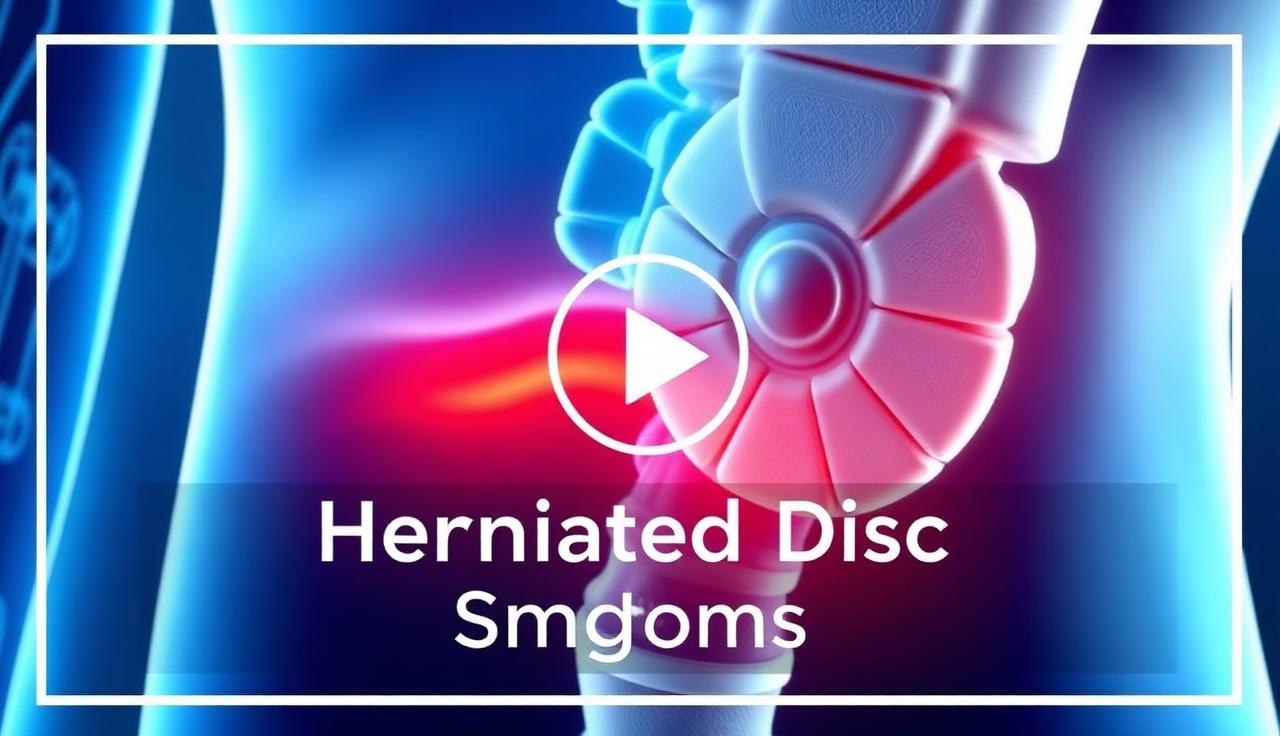
Herniated Disc Symptoms: How to Know If You Have One
Learn the telltale signs of a herniated disc and understand when symptoms require medical attention.