
What Counts as "Back Pain"?
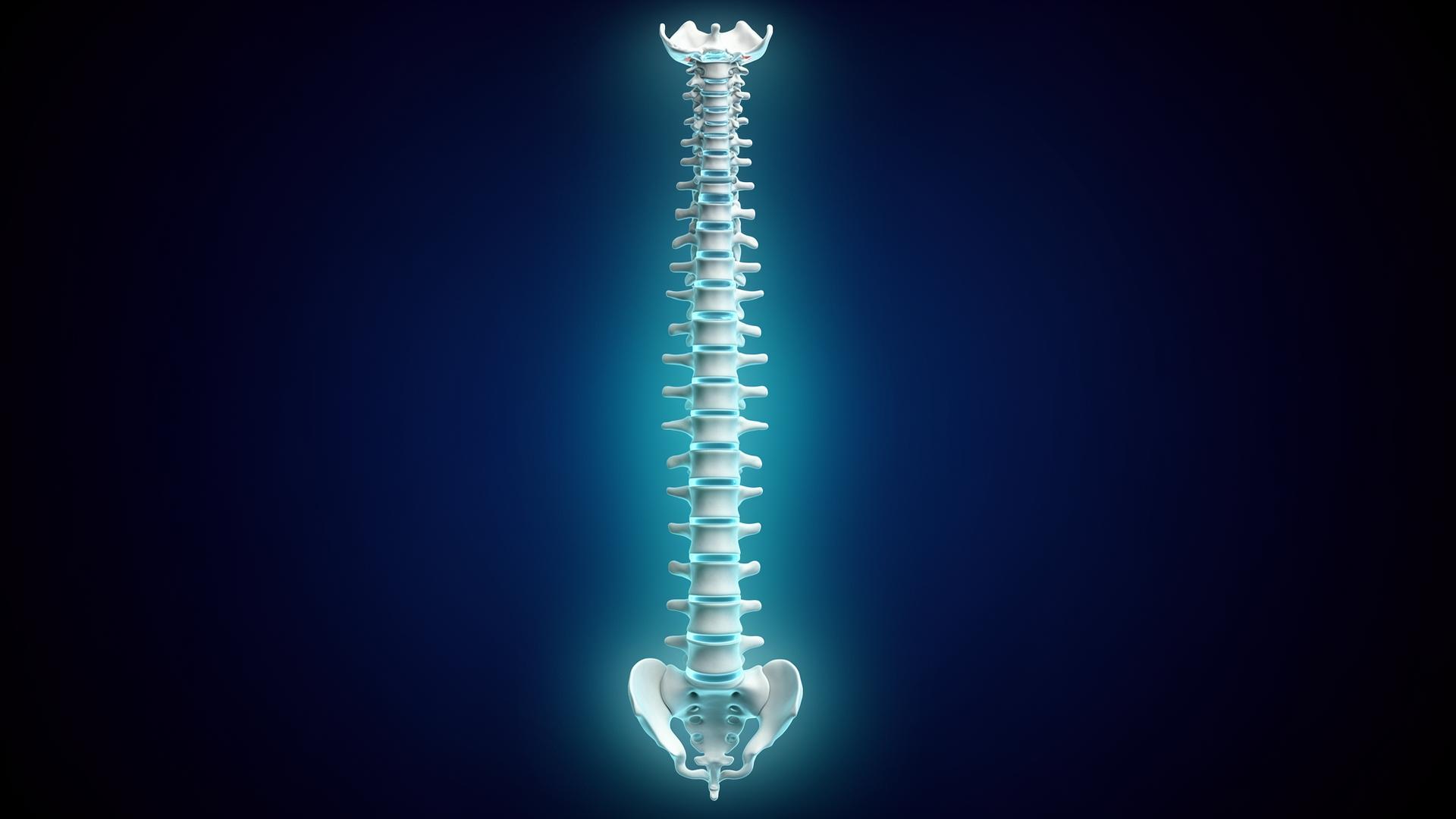
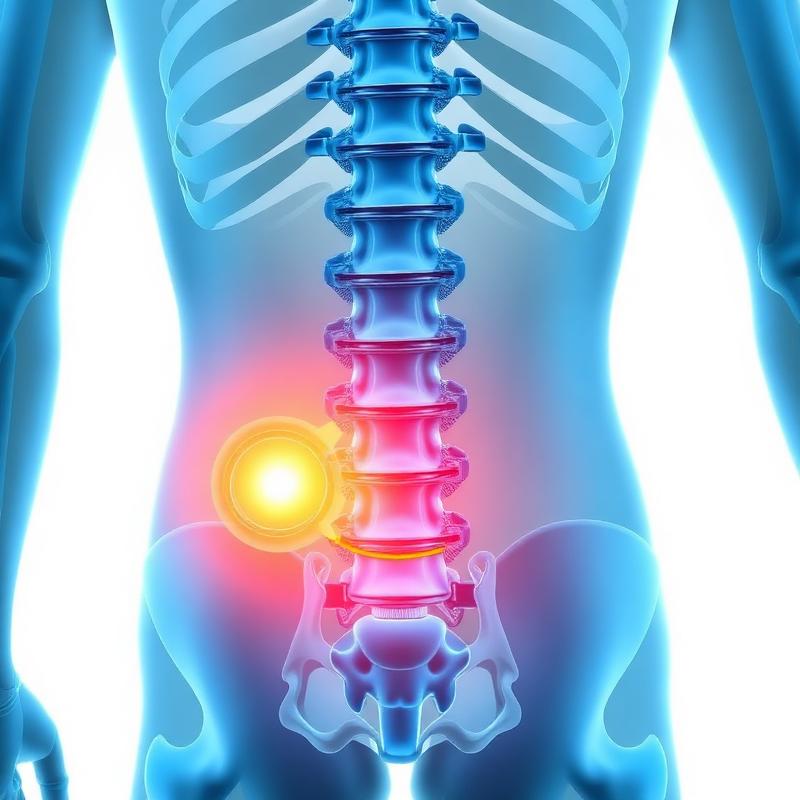
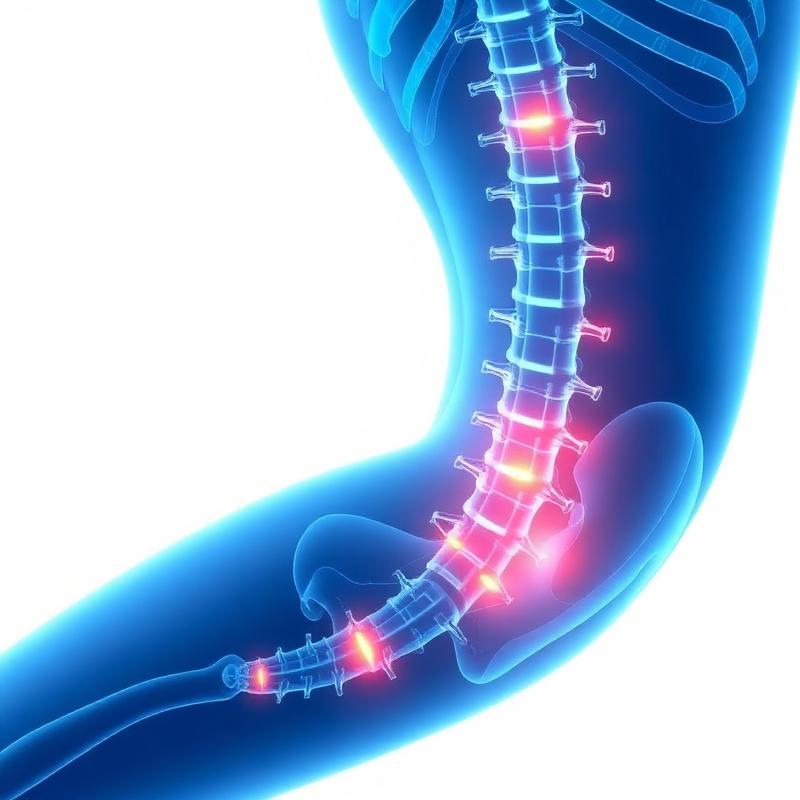
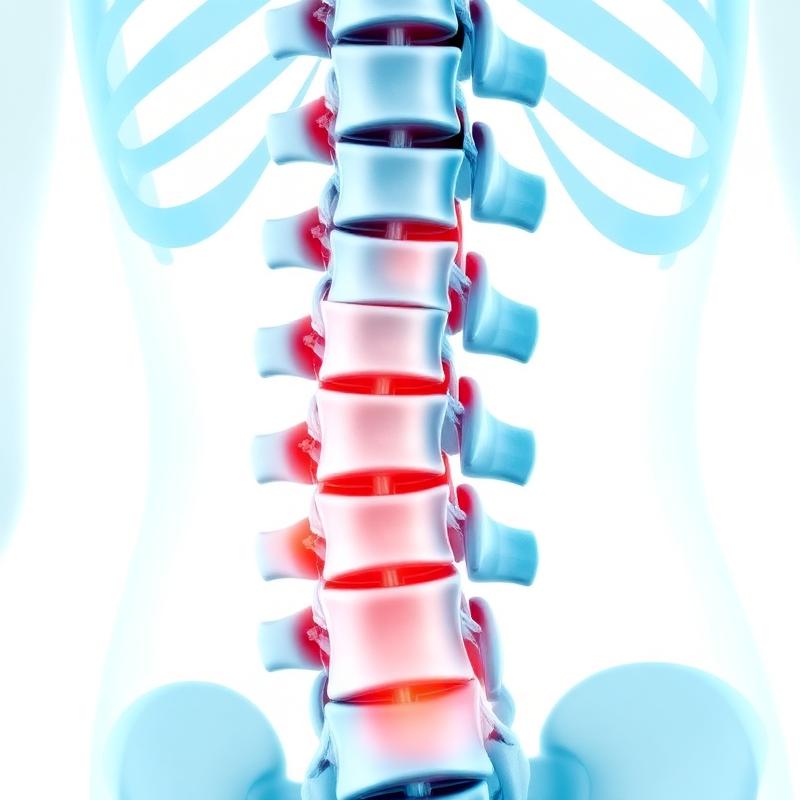
Clinicians describe back pain by location, duration, and underlying mechanism. Pain in the lumbar (lower) spine is the most common, followed by the cervical (neck) and thoracic (mid-back) regions. Episodes lasting less than six weeks are considered acute, six to twelve weeks subacute, and anything longer is classified as chronic back pain. The mechanism may be mechanical (muscle strain, disc injury, facet joint irritation), inflammatory (such as ankylosing spondylitis), or referred from other structures like the kidneys or abdominal organs. Our pain-by-location guide and the medical glossary explain each term in plain language.
The Most Common Causes
The overwhelming majority of back pain episodes are non-specific, meaning no single anatomical lesion can be identified on imaging. Even so, certain conditions account for most diagnosable cases:
- Herniated or bulging discs that compress nearby nerve roots.
- Sciatica — radiating leg pain caused by irritation of the sciatic nerve.
- Spinal stenosis — narrowing of the spinal canal, most common after age 50.
- Degenerative disc disease, facet arthropathy, and age-related arthritis.
- Muscle and ligament strain from lifting, prolonged sitting, or sudden movements.
- Less common but serious causes such as vertebral fracture, infection, or tumor — flagged by our red-flag symptom checklist.
How Back Pain Is Diagnosed
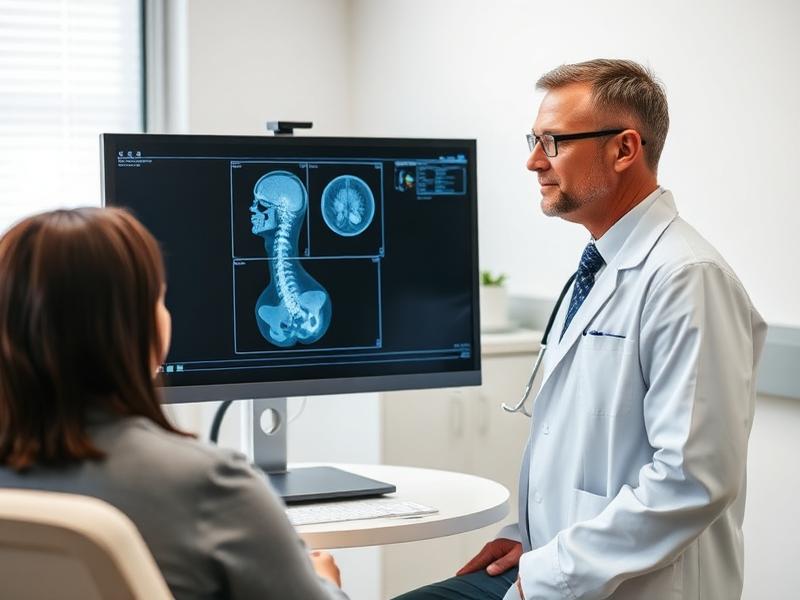
Diagnosis usually begins with a clinical history and physical exam. Your clinician will ask when the pain started, what makes it better or worse, and whether it radiates into the arms or legs. Neurological testing checks reflexes, strength, and sensation. Imaging is not recommended in the first four to six weeks of uncomplicated back pain because incidental findings on MRI are common and can lead to unnecessary treatment. When imaging is indicated, options include X-ray, MRI, CT, and in some cases electromyography (EMG). Read our diagnostics overview for a side-by-side comparison.
Evidence-Based Treatment Options
Modern back-pain guidelines from the American College of Physicians, NICE, and the World Health Organization all emphasize non-pharmacological care as first-line treatment. That includes staying active, structured exercise, physical therapy, heat therapy, and cognitive-behavioral approaches for chronic pain. Medications such as NSAIDs may be added for short-term relief; opioids are discouraged for routine use.
Conservative Care
Physical therapy, targeted exercise programs, posture training, and weight management resolve the majority of cases without procedures.
Interventional Procedures
When conservative care plateaus, options like epidural steroid injections, facet blocks, and radiofrequency ablation can reduce inflammation and nerve irritation.
Surgery
Only about 5–10% of patients ultimately require spine surgery. Procedures range from minimally invasive microdiscectomy to spinal fusion, and the right choice depends on the diagnosis, symptom severity, and response to prior treatment.
Prevention and Long-Term Spine Health
Most back pain is recurrent, so prevention matters as much as treatment. Core-strengthening exercise (two to three sessions weekly), ergonomic workstation setup, lifting with the legs, maintaining a healthy weight, quitting smoking, and getting seven to nine hours of restorative sleep all independently reduce recurrence risk. Our prevention hub and self-care library compile the most effective everyday habits.
When to Seek Urgent Care
Seek immediate medical attention for back pain accompanied by loss of bladder or bowel control, progressive leg weakness, numbness in the groin/inner thighs (saddle anesthesia), unexplained weight loss, fever, or pain following a significant trauma. These can signal serious conditions such as cauda equina syndrome, spinal infection, or fracture and require same-day evaluation. The full list is in our emergency symptom guide.